Discover how West Palm Beach fix and flip loans help investors acquire, renovate, and resell properties, with local due diligence tips, financing workflows, and risk assessments.
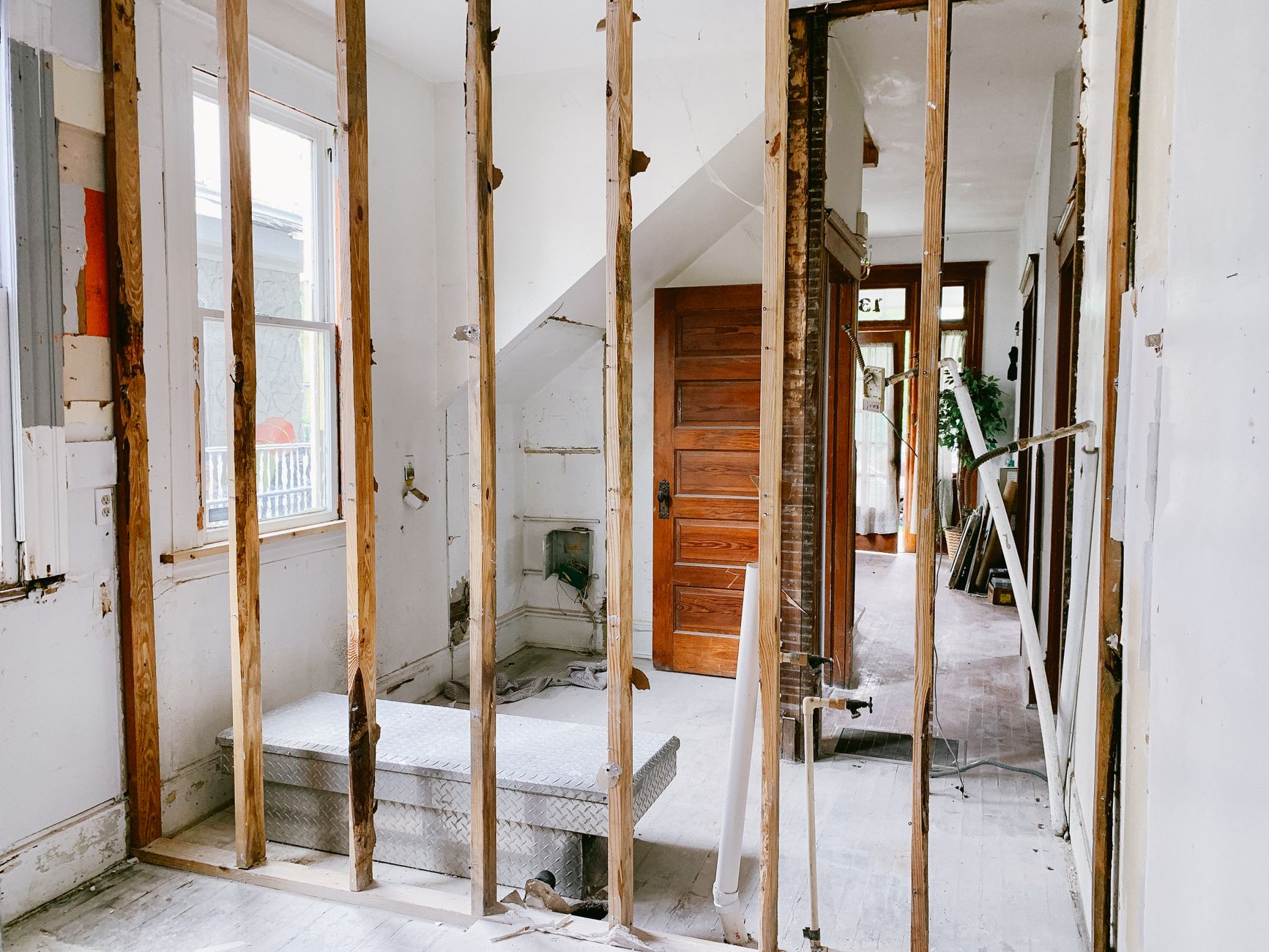
For South Florida real estate investors, West Palm Beach fix and flip loans have become a critical tool for acquiring, renovating, and reselling properties in a dynamic and competitive market. Whether you’re targeting historic charmers in Flamingo Park, bungalows in Northwood, or single-family homes near Downtown, the ability to finance both purchase and rehab costs efficiently can determine your project’s success.
This 2026 investor guide explains how fix and flip financing works in West Palm Beach and surrounding Palm Beach County markets, with a focus on how loan structure, local permitting, flood considerations, and practical budgeting directly impact your investment outcome. If you’re ready to scale your project pipeline, this article outlines what to expect, which pitfalls to avoid, and what to prepare before you apply with hard money or private lenders.
How West Palm Beach Fix and Flip Loans Work
West Palm Beach fix and flip loans are short-term financing solutions designed for investors who purchase, renovate, and quickly resell residential properties. These loans typically cover a portion of both the acquisition price and renovation costs, providing the liquidity necessary to move fast in a competitive buying environment. Unlike conventional bank mortgages, fix and flip financing is usually funded by hard money or private lenders who focus more on asset value and exit potential than on a borrower’s income history or personal credit.
Investors in West Palm Beach commonly use these loans for distressed, dated, or underperforming properties in need of cosmetic or structural upgrades. The loan is paid back either through sale of the property or, in some cases, by refinancing into longer-term financing. Typical project durations range from a few months to one year, and all terms remain subject to lender underwriting.
What Hard Money Lenders Evaluate in West Palm Beach
Hard money loans in West Palm Beach are asset-based—meaning underwriting is driven chiefly by the collateral property and the investor’s specific project plan. Lenders will pay close attention to:
- Purchase price: How much you’re paying relative to market comps.
- After-repair value (ARV): Realistic projected resale price based on similar renovated homes in the neighborhood.
- Renovation budget: Both the scope of work and whether costs are line-itemed accurately.
- Exit strategy: Your plan to sell or refinance, supported by timelines and market data.
- Experience: Prior rehab or investment track record, especially relevant for major renovations.
- Title and liens: Unresolved issues or claims that could cloud your ability to resell the property.
Each lender will have its own risk parameters. Some may request additional details or contingencies for properties located in complex neighborhoods like Grandview Heights, or those with unclear zoning.
Understanding Purchase Price, Rehab Budget, and Property Value
The three fundamental financial pillars of a fix and flip deal in Palm Beach County are acquisition cost, renovation budget, and expected after-repair value (ARV).
Getting these numbers right is crucial:
- Purchase Price: Factor in negotiation leverage, closing costs, and market timing. Be wary of overbidding in competitive areas like El Cid or SoSo.
- Rehab Budget: Include both visible and hidden repairs. Plan for contingencies such as outdated wiring, termite treatment, or older plumbing common in West Palm’s historic homes.
- Property Value: Base your ARV on actual sales, not just listings, using the most comparable, recently sold and renovated homes—this is essential for accurate lender underwriting and realistic project planning.
Balancing these elements ensures the project is financially viable and attractive for hard money lenders West Palm Beach investors rely on.
West Palm Beach Permit and Flood Due Diligence
Local permitting and flood risk can significantly affect your fix and flip timeline and budget. The City of West Palm Beach Building Division (Building Division) provides resources for verifying which permits are required for rehabilitation work within city limits; this may include electrical, plumbing, structural modifications, or historic preservation reviews where applicable.
Flood exposure is a critical consideration, particularly near the Intracoastal, Palm Beach Lakes, or low-lying areas. The city’s Flood Information resource enables you to assess if your property sits in a floodplain and what insurance or mitigation measures are recommended. For properties outside city jurisdiction, consult the Palm Beach County Permit Center.
Unpermitted work or floodplain status can hinder financing, delay sales, and prompt costly remediation—early research is key.
Building a Realistic Renovation Budget in Palm Beach County
A successful fix and flip project relies on detailed, accurate rehab budgeting. In West Palm Beach, surprises are common in older housing stock or when dealing with historic overlays. Investors should:
- Conduct thorough pre-purchase inspections (including roof, HVAC, and foundation).
- Engage licensed contractors to provide written, itemized bids.
- Include costs for permits, architectural plans (if needed), city or county impact fees, and required inspections.
- Budget for holding costs, including utilities, property taxes, and insurance—especially if the property sits vacant during renovations.
- Add at least a 10-15% contingency line for unexpected repairs, typical in this market.
A meticulous budget not only helps secure fix and flip lenders West Palm Beach investors need, but also protects your bottom line.
Example Fix and Flip Financing Workflow
If you’re new to Palm Beach County rehab loans, understanding the step-by-step process can help prevent missteps:
- 1. Origination: Identify property, perform due diligence, and apply for financing with a hard money or private lender.
- 2. Underwriting: Lender evaluates ARV, budget, permits, flood exposure, and investor experience (terms are always subject to underwriting).
- 3. Closing: Title review and loan documentation. Acquisition funds are released; construction funds are usually dispersed via draws as renovation progresses.
- 4. Project Management: Oversee rehab, schedule inspections, and address any city or county permit issues promptly.
- 5. Completion and Exit: Upon final inspection and project completion, property is listed and sold, or refinanced if that’s your exit plan.
Timely communication with contractors and city officials is vital to avoid delays, especially during periods of heavy permitting activity in West Palm Beach.
Hard Money vs. Conventional Financing: Trade-Offs and Risks
Choosing between hard money loans West Palm Beach investors commonly use and traditional bank loans involves several trade-offs. Hard money and private money lenders West Palm Beach offer faster approvals and flexibility for properties needing significant rehab or with unique features. However, these loans typically carry higher origination fees and interest rates than conventional bank loans, and they may require a larger equity contribution from the investor.
Conventional loans often don’t finance major renovations or homes needing occupancy waivers—and lengthy underwriting can cause investors to lose out on desirable Palm Beach County properties. However, where eligible, they may result in lower all-in loan costs.
Risks with fix and flip financing include cost overruns, project delays (such as permit backlogs or inspections), underestimating holding costs, and unexpected market shifts during your sales period. Ensure you have backup capital reserves and an alternative exit strategy before committing to a loan.
What Investors Should Prepare Before Applying for Fix and Flip Loans
Successful preparation speeds up lender underwriting and minimizes surprises throughout your deal. Before reaching out to private money lenders West Palm Beach investors rely on, gather the following:
- Detailed budget and scope of work (broken down by category and line item).
- Recent comps supporting your ARV estimate.
- Contractor bids and licenses.
- Preliminary title report (to identify any liens or encumbrances).
- Flood determination from official city sources, especially for properties near water or low-lying neighborhoods.
- Copy of purchase contract, if available.
- Documentation of your investing experience (project summaries, photos, references can help with larger or more complex deals).
Being organized and transparent with your lender increases approval odds and helps prevent last-minute financing obstacles.
Fix and Flip Readiness Checklist:
- Reviewed permit/inspection requirements via the City of West Palm Beach or Palm Beach County resources
- Estimated flood and insurance needs using official city/county information
- Built a comprehensive rehab budget with contingency funds
- Confirmed clear title and no prohibitive liens
- Gathered relevant comparable sales data
- Compiled contractor bids and supporting documentation
Real Estate Investor Financing FAQs
Are West Palm Beach fix and flip loans available for first-time investors?
Yes, first-time investors can secure fix and flip loans, but hard money lenders may require more documentation and conservative terms for applicants without prior rehab experience.
Can I get funding for both the purchase and rehab costs?
Most hard money loans in West Palm Beach are structured to finance a portion of both acquisition and renovation costs, but the amounts are always subject to underwriting and project analysis.
How do I verify what permits I need for my rehab project in West Palm Beach?
Consult the City of West Palm Beach Building Division for permit requirements if your property is within city limits, or use the Palm Beach County Permit Center for projects in unincorporated areas.
Does flood exposure affect my ability to secure fix and flip financing?
Yes, properties in flood-prone zones may require elevated insurance coverage or mitigation plans, and lenders may scrutinize these risks during underwriting. Use the city's Flood Information resource for assessment.
What happens if my renovation budget runs over?
Cost overruns are a common risk; investors should build in budget contingencies and ensure access to backup capital. Communicate with your lender as early as possible if overruns threaten loan compliance.
Do all fix and flip lenders require prior renovation experience?
Not all do, but investor experience is often considered during underwriting, especially for riskier or more complex rehab projects.
Have a West Palm Beach investment property to finance?
Send the property address, requested loan amount, property type and investment plan for an initial review.