Performing thorough due diligence is critical when investing in West Palm Beach or Palm Beach County real estate. Learn how to uncover key risks and opportunities before you buy, renovate, or finance.
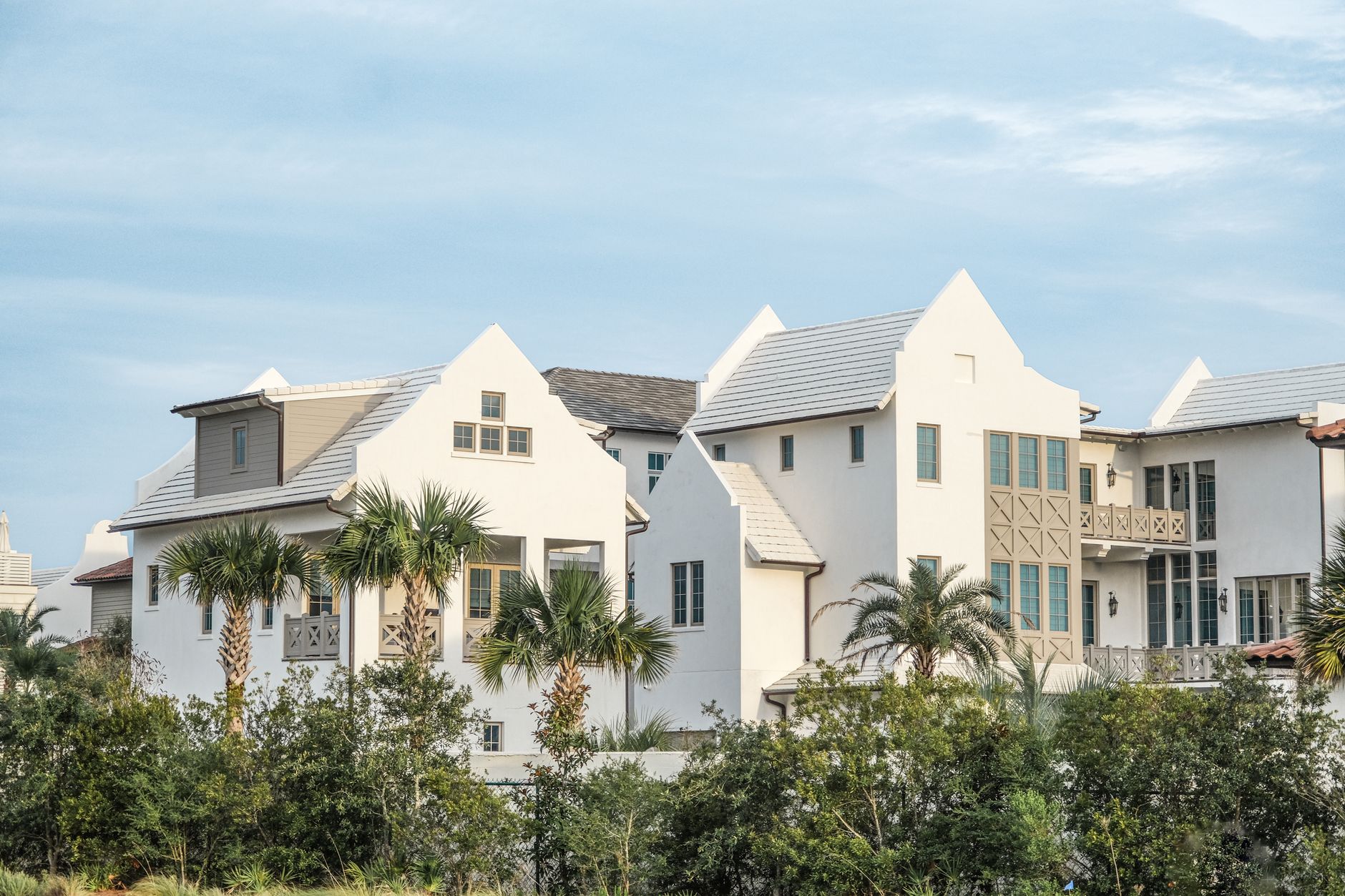
West Palm Beach and the surrounding communities of Palm Beach County offer rich opportunities for real estate investment, but the complexity of local property regulations and risks makes careful due diligence essential. Whether you plan to renovate an older single-family home in Grandview Heights or acquire a rental in Lake Worth Beach, knowing how to research legal, physical, and financial liabilities can help protect your investment.
This guide to Palm Beach County real estate due diligence explains the crucial steps every investor should take before finalizing a deal—covering topics like permits, flood zones, code enforcement, liens, and more—to ensure your project is on solid ground from day one.
Confirm the Correct Property Jurisdiction
Palm Beach County contains many municipalities, including West Palm Beach, Palm Beach Gardens, and Boca Raton, as well as areas under the county’s direct oversight. Your first step is to correctly identify the property’s specific jurisdiction to ensure you use the right local government resources for researching permits, zoning, and code enforcement issues.
For properties in West Palm Beach (including neighborhoods like Downtown, Northwood, or Flamingo Park), use the City of West Palm Beach’s official resources. Properties outside municipal limits—such as unincorporated regions or areas like The Acreage—fall under county jurisdiction. Verifying jurisdiction helps prevent wasted time and costly mistakes during and after acquisition.
Conduct a West Palm Beach Permit Search and Review Inspections
A thorough permit search reveals a property’s renovation and repair history. Open, expired, or missing permits can delay projects or impact financing. For West Palm Beach properties, use the City of West Palm Beach Building Division to check permit status, final inspections, and Building Division records. For properties elsewhere in the county (such as parts of Riviera Beach or Wellington), visit the Palm Beach County Permit Center.
When reviewing permits, look for signs of unpermitted work or incomplete projects—these may introduce costly rework, delays, or compliance risks, especially if major components like roofs or electrical systems are affected. Request all documentation from the seller and confirm independently with the city or county.
Check Code Enforcement Status and Violations
Property code violations can trigger daily fines or project delays, and unresolved issues may survive a transfer of ownership. Use the West Palm Beach code enforcement search tools to review open violations, liens, or compliance orders that might impact your investment. For properties outside city limits, the county’s code enforcement office provides relevant records.
Common issues include overgrown vegetation, unsafe structures, illegal units, or neglect. Always incorporate a code enforcement review into your due diligence, and negotiate timelines or remediation with the seller as needed to avoid taking on hidden liabilities.
Review Palm Beach County Flood Zone Real Estate Risks
Palm Beach County’s coastal and inland water systems make flood risk a major investor concern. The City of West Palm Beach offers detailed flood information resources to help identify properties in FEMA flood hazard zones and to assess specific requirements for mitigation, insurance, and building standards.
Flood zone status influences renovation costs (such as elevation or drainage improvements), insurance premiums, and in some cases, lender requirements. Investors should verify the flood zone, review local flood history, and consult their insurance provider before making an offer—especially in low-lying neighborhoods like SoSo or near the Intracoastal.
Examine Title and Search for Recorded Documents or Liens
Clear title is critical for financing and resale. Before closing, have a qualified title company or attorney conduct a comprehensive search for recorded liens, judgments, or easements recorded against the property. Unresolved liens—such as contractor, code, or utility liens—can complicate or stall a transaction.
In Palm Beach County, you can search public records directly online, but professional guidance is recommended to fully interpret findings. Address any title encumbrances or disputes prior to finalizing your investment, as these can affect your legal right to use, remodel, or resell the property later.
Check Property Taxes, Assessments, and Special District Liabilities
Delinquent property taxes or unresolved special assessments (for schools, roads, or utility improvements) can quickly add up and may become your responsibility after the purchase. Consult the Palm Beach County Property Appraiser and Tax Collector websites to verify current tax status, payment history, and outstanding assessment liens. Pay close attention to community development districts (CDDs) or other local taxing authorities in areas like Wellington, Jupiter, or Royal Palm Beach.
A thorough tax and assessment review helps you price your offer accurately and avoid surprises after closing.
Tie Your Renovation Scope to Financing: Risks and Considerations
A well-defined scope of work is not just important for budgeting—it also impacts your financing strategy. Lenders, including private lenders like AFI, typically review your renovation plan, permit status, and projected after-renovation value as part of their underwriting process. Unpermitted work, unresolved violations, or major flood-zone construction can delay funding or change loan terms.
Be prepared to document your scope, contractor relationships, and progress milestones. Consider the trade-offs between speed and thoroughness—rushing acquisition without verifying permits or code compliance can create costly headaches later, while upfront diligence supports smoother underwriting and execution. All financing terms are subject to underwriting and may shift if unforeseen issues arise.
Palm Beach County Investor Due Diligence Checklist
Use this practical checklist to cover your bases before purchasing, renovating, or financing a West Palm Beach or Palm Beach County investment property:
- Confirm the property's correct city or county jurisdiction
- Obtain and review all historical permits and inspection records
- Conduct a city or county code enforcement search for open violations or liens
- Check FEMA and local government resources for current flood-zone status
- Order a comprehensive title search and review recorded documents
- Verify all property tax payments and check for unpaid assessments
- Match your proposed rehab scope with actual permit and zoning requirements
- Discuss your findings with your lender and adjust financing structure as needed
- Work with qualified local professionals (attorneys, title agents, insurers) to close knowledge gaps
This checklist supports smarter, safer investment decisions in a complex and competitive regional market.
Real Estate Investor Financing FAQs
How do I know if a property is in West Palm Beach or unincorporated Palm Beach County?
Use the Palm Beach County Property Appraiser website to identify the property's jurisdiction. You can also check property tax bills or local building departments to confirm if a property falls within city or county oversight.
What are common permitting pitfalls in West Palm Beach real estate investing?
Common issues include expired building permits, unpermitted renovations, missing final inspections, or renovations performed under incorrect zoning classifications—all of which can delay financing or resale.
Why is flood zone status important for West Palm Beach and Palm Beach County investors?
Flood zone designations impact insurance requirements, renovation options, and potential costs. Properties in designated flood zones may require elevated construction, carry higher premiums, and potentially have resale or rentability constraints.
Can unresolved code violations affect financing?
Yes, unresolved code violations or open liens can prevent closing, impact loan approval, increase remediation costs, or create legal risks for new owners. Lenders will require these issues to be resolved before or during closing.
What is the difference between a lien and a code violation?
A code violation is a notice of non-compliance with local property standards, while a lien is a legal claim for payment—sometimes related to unpaid fines from code violations or other issues like unpaid taxes or contractor disputes.
How early should I involve my lender in the due diligence process?
You should engage your lender as soon as you have a property under consideration, especially if you plan major renovations. Early involvement allows you to identify financing conditions tied to property condition, permits, and title status.
What professional help should I hire when investing in Palm Beach County real estate?
Experienced investors typically work with local real estate attorneys, title companies, contractors, and insurance agents who are familiar with Palm Beach County’s specific regulations and market practices.
Have a West Palm Beach investment property to finance?
Send the property address, requested loan amount, property type and investment plan for an initial review.