Explore how Fort Myers fix and flip loans empower real estate investors, with practical guidance on property analysis, local permitting, flood zones, insurance, and lender expectations in Lee County.
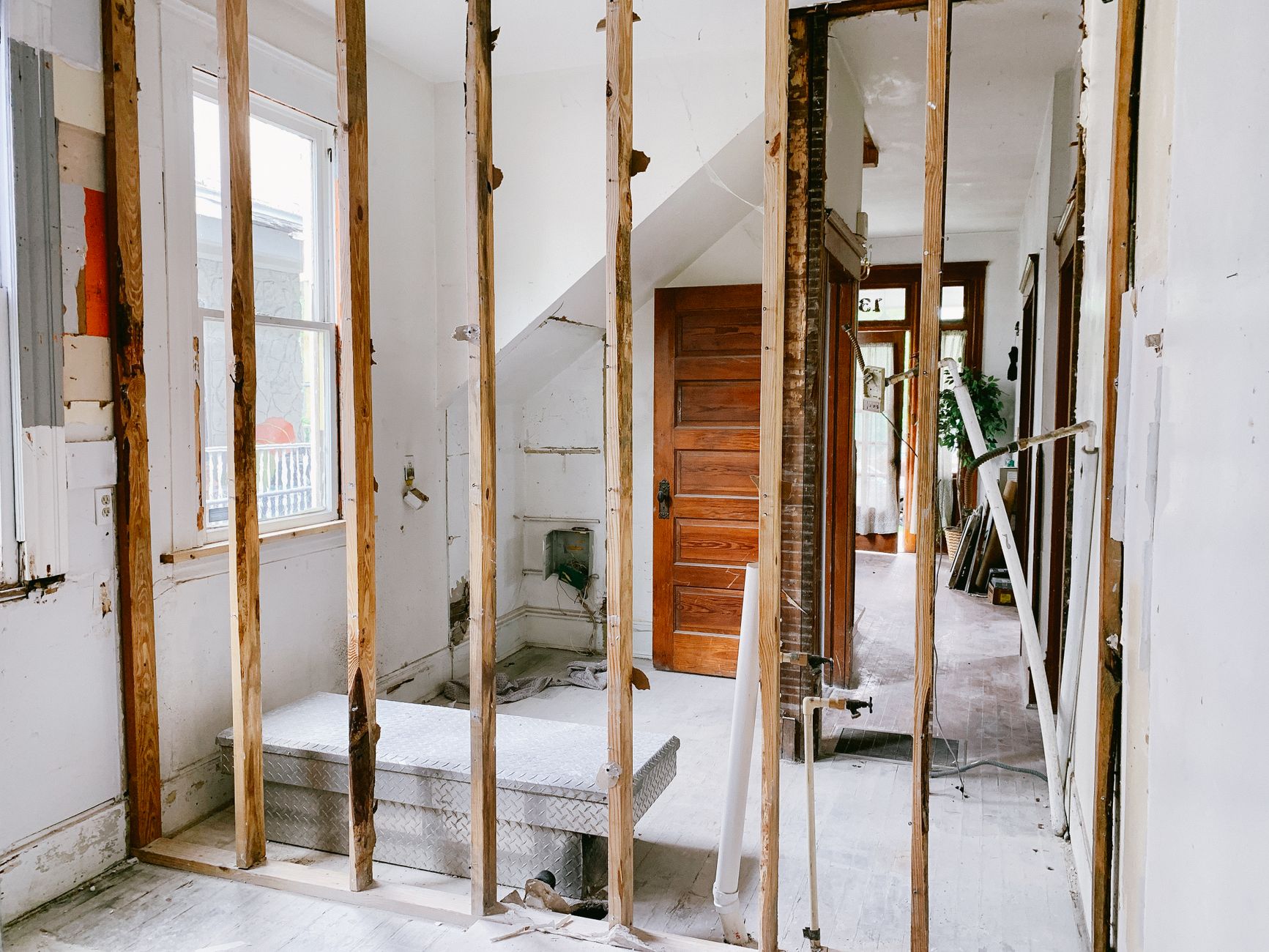
Fort Myers is a dynamic real estate market, drawing investors eager to revitalize properties and tap into Southwest Florida’s demand for newly renovated homes. Whether you're targeting historic bungalows in Downtown Fort Myers or modern inventory in Gateway, understanding specialized acquisition and rehab financing is essential for a successful project.
This guide demystifies Fort Myers fix and flip loans, offering property-specific advice, step-by-step investor checklists, and clear insight into lender requirements. From navigating local permitting and floodplain risk to structuring your renovation budget, we’ll equip you with the local knowledge vital for profitable investing in Lee County and beyond.
How Fort Myers Fix and Flip Loans Work
Fort Myers fix and flip loans are short-term financing tools aimed at purchasing, renovating, and selling a property within a defined timeline. These loans, often provided by private money lenders or hard money lenders Fort Myers investors rely on, differ substantially from traditional mortgages because approval is based more on the property’s value and the project plan than on a borrower’s long-term creditworthiness.
Typically, funds are distributed in two components: the acquisition (purchase) and draw-based renovation disbursements. Projects may range from cosmetic updates in neighborhoods like Whiskey Creek to more extensive structural rehabs in older areas such as McGregor. After renovations, the investor either resells the property or refinances into a conventional loan, depending on the exit strategy.
What Private Lenders Evaluate in Fort Myers
Fix and flip lenders Fort Myers investors approach usually weigh several factors before making lending decisions, each subject to underwriting. Key elements include:
- Property location: Desirability and resale potential in areas like Gateway or Fort Myers Beach.
- Purchase price and as-is condition: Current state, permitting status, and need for immediate repairs.
- After-repair value (ARV): Projected market value post-renovation based on comparable local sales.
- Rehab budget detail: Scope of work, cost estimates, and expected timeline.
- Borrower’s experience: Track record with similar renovations, especially in Lee County or neighboring markets such as Cape Coral or Lehigh Acres.
- Exit strategy: Plan for repaying the loan, including marketing and resale tactics or permanent refinancing options.
In Fort Myers, lenders may also scrutinize flood risk, past permitting issues, and insurance insurability to mitigate market-specific risks.
Purchase Price and Rehab Budget: Planning for Success
A successful fix and flip starts with sound financial groundwork. Distinguish between the acquisition price and the budget needed for renovations:
- Acquisition costs: Purchase price, closing costs, and immediate repairs required by a lender or to secure insurance.
- Rehab budget: Detailed line-item estimates for materials, contractor labor, permits, holding costs, and an emergency contingency reserve.
Accurately estimating both components is vital. Overestimating the ARV or underestimating project costs is a leading cause of financial shortfalls. In Fort Myers, pay attention to specific local costs, such as permitting fees, and factor in how any necessary flood mitigation or compliance repairs may increase expenses.
Renovation Contingency Planning in Lee County
Unexpected expenses are a reality in any real estate renovation. Lee County rehab loans typically require borrowers to incorporate a contingency reserve—usually a portion of the total renovation budget—to absorb unforeseen costs like hidden plumbing issues or change orders after permit reviews.
Best practices for contingency planning include:
- Setting aside 10–20% of your total construction budget as a reserve.
- Reviewing prior home inspection reports for red-flag areas.
- Establishing relationships with reliable local contractors familiar with Fort Myers building codes.
Adequate preparation smooths the draw process and reduces the risk of project stoppages or costly loan default.
Fort Myers Flood and Permitting Due Diligence
Lee County is prone to both river and coastal flooding, and close attention must be paid to a property’s flood risk and permitting requirements before proceeding with any acquisition or renovation. Use official resources for guidance:
- Flood zone research: Consult the Lee County Floodplain Management resource to check whether your investment is in a flood zone, and whether additional flood insurance or mitigation steps may be required.
- Permitting requirements: For properties within city limits, access City of Fort Myers resources. For unincorporated areas, use Lee County Building & Permitting Services.
- Project scope and compliance: Verify whether planned rehab projects—especially structural changes or additions—require additional reviews or documentation.
Failure to consider flood risk or permitting can jeopardize insurance eligibility and lender approval. Budget both time and funds for compliance.
Insurance and Property Condition Challenges
Florida’s property insurance landscape is rapidly evolving, and many insurers scrutinize property condition more closely—particularly after recent hurricanes and market pressures. Lenders and insurers may request upgrades to roofing, electrical systems, or plumbing as a precondition for coverage. In older neighborhoods like McGregor or Whiskey Creek, be prepared to address outdated systems and obtain four-point inspections if required.
Common insurance-related issues that can impact project budget and timeline include elevated premiums in flood-prone areas, and requirements for wind mitigation features or new roofs. It’s advisable to request insurance quotes early in the buying process to avoid unpleasant surprises.
Example Investment Workflow: Fix and Flip in Fort Myers
Below is a typical step-by-step workflow for investors pursuing Fort Myers fix and flip loans:
- Identify and evaluate target property for market demand and renovation needs.
- Analyze acquisition costs, rehab budget, flood zone status, and permit requirements.
- Obtain preliminary insurance quotes and consult contractors for bid estimates.
- Submit a complete loan application with supporting documentation to your lender.
- Upon approval (subject to underwriting), close on purchase and begin renovation, following approved draw process.
- Ensure all required local permits are obtained and posted before work begins.
- Complete renovations, secure final inspections, and market the property for sale.
- Repay lender from sale proceeds or permanent refinancing.
This sequence can vary depending on property and project complexity, but thorough preparation in each phase is vital.
Risks and Trade-Offs in Fort Myers Fix and Flip Financing
While hard money loans Fort Myers investors use can expedite acquisitions, they come with risks and trade-offs. These loans often carry higher interest rates and fees, and short terms mean timing is critical. If renovations run over budget or the resale market softens, profitability may erode rapidly. Additionally, costs related to permitting, required flood insurance, or property condition upgrades may be larger than anticipated in Fort Myers.
- Market exposure: Sudden shifts in buyer demand or local regulations can impact exit strategy feasibility.
- Project delays: Unanticipated permit reviews or contractor shortages can create budget overruns.
- Lender recourse: Default can lead to property foreclosure and loss of project equity.
Careful due diligence, conservative project budgeting, and maintaining flexibility in the renovation plan help mitigate these risks.
Investor Checklist: What to Send Your Fort Myers Fix and Flip Lender
To give your application the strongest chance for approval, organize the following materials when approaching private money lenders Fort Myers investors work with:
- Property contract and listing (if applicable)
- Detailed renovation scope and contractor’s bid
- Budget breakdown, including contingency reserve
- Estimate of after-repair value (ARV) with local comparable sales
- Preliminary insurance quote and flood zone documentation
- Borrower resume (with previous project experience, if available)
- Exit strategy plan (sale listing or refinance route)
Providing a clear, comprehensive package highlights your professionalism and expedites underwriting—subject, always, to final lender review and approval.
Real Estate Investor Financing FAQs
How do Fort Myers fix and flip loans differ from traditional mortgages?
Fix and flip loans are short-term and designed for investors, focusing on property value and rehab potential rather than long-term repayment ability.
Why is flood zone research important in Lee County real estate?
Many properties in Fort Myers and Lee County are in flood zones, impacting insurance costs, rehab budgets, and even project eligibility.
How do lenders in Fort Myers handle renovation budgets?
Lenders expect detailed, line-item budgets to be submitted and often require a contingency reserve for unexpected project costs.
Do I need permits for all rehab work in Fort Myers?
Most structural, electrical, or major renovation work requires permits. Consult the City of Fort Myers or Lee County services for specific requirements.
What can delay a Fort Myers fix and flip project?
Common delays include permitting bottlenecks, contractor shortages, insurance approval issues, and unexpected construction discoveries.
What experience do fix and flip lenders Fort Myers prefer?
While experience can be helpful, lenders prioritize clear project plans, supporting documentation, and demonstrated due diligence regardless of track record.
What is an exit strategy in a fix and flip loan?
An exit strategy is your plan to repay the loan, such as selling the renovated property or refinancing with a traditional mortgage.
Have a Fort Myers investment property to finance?
Send the property address, requested loan amount, property type and investment plan for an initial review.